Carbon Fibre: Where Strength Meets Possibility

Unyielding. Unmatched. Unapologetically Advanced.

Materials matter in the pursuit of progress. Carbon fibre isn't just strong; it's transformative. Engineered at the molecular level, this material redefines what's possible in mobility, energy, and infrastructure.

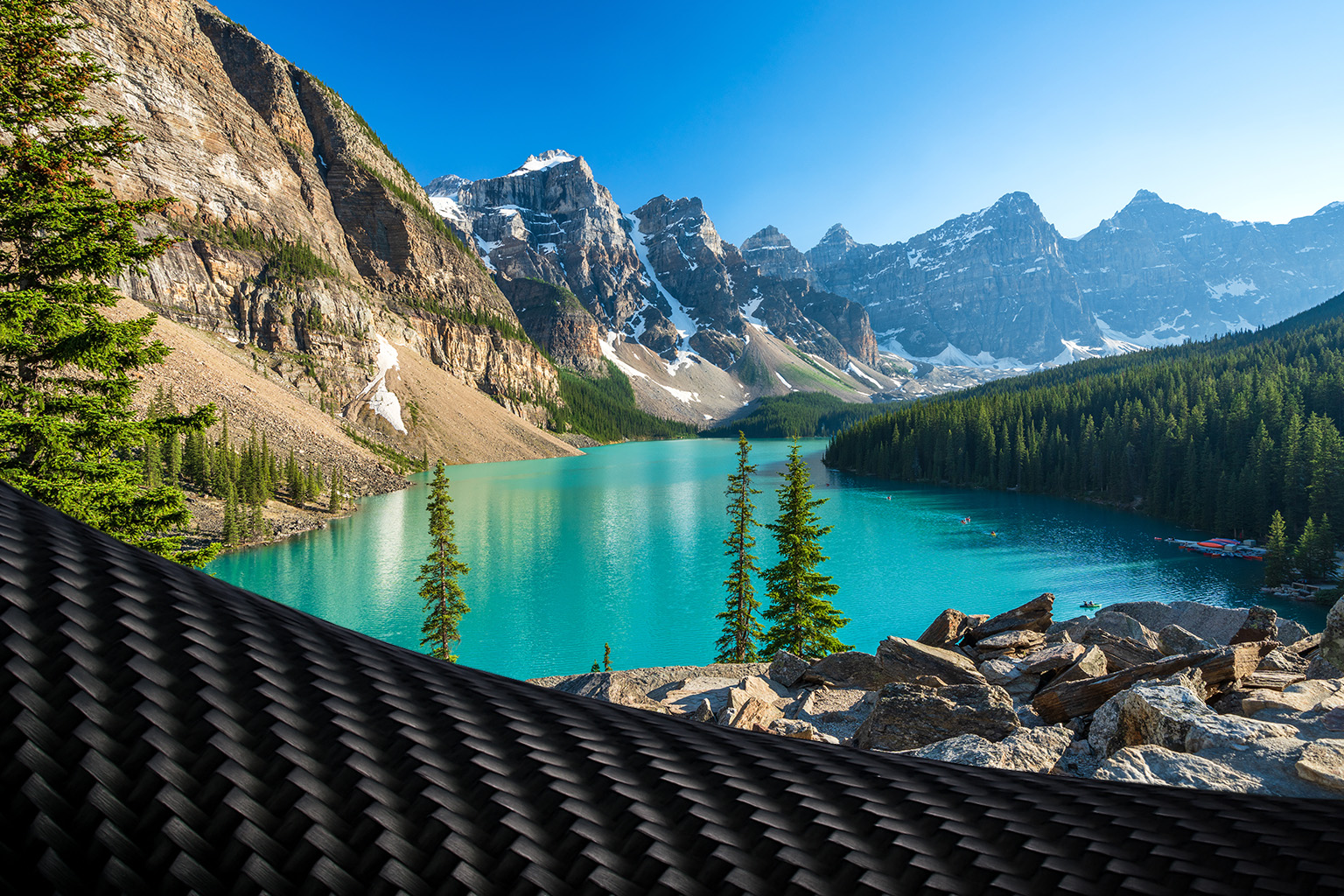
Born from precision and powered by innovation, carbon fibre offers a strength-to-weight ratio that outperforms steel, yet its versatility has a purpose across industries and sectors. It's the backbone of next-generation vehicles, the silent force behind wind turbines, and the trusted ally in aerospace, pipelines and fuel cells. Its applications are endless; at the right price.

At Alberta Innovates, we don't just see carbon fibre as a material — we see it as a catalyst. A conduit for cleaner energy, smarter design and resilient systems. It's where science meets sustainability, and where Alberta's ingenuity takes flight.

“Carbon fibre isn't the future. It's now. And it's ours to shape.”

The Process: Turning Bitumen into Carbon Fibre

Bitumen extraction
1

Extraction

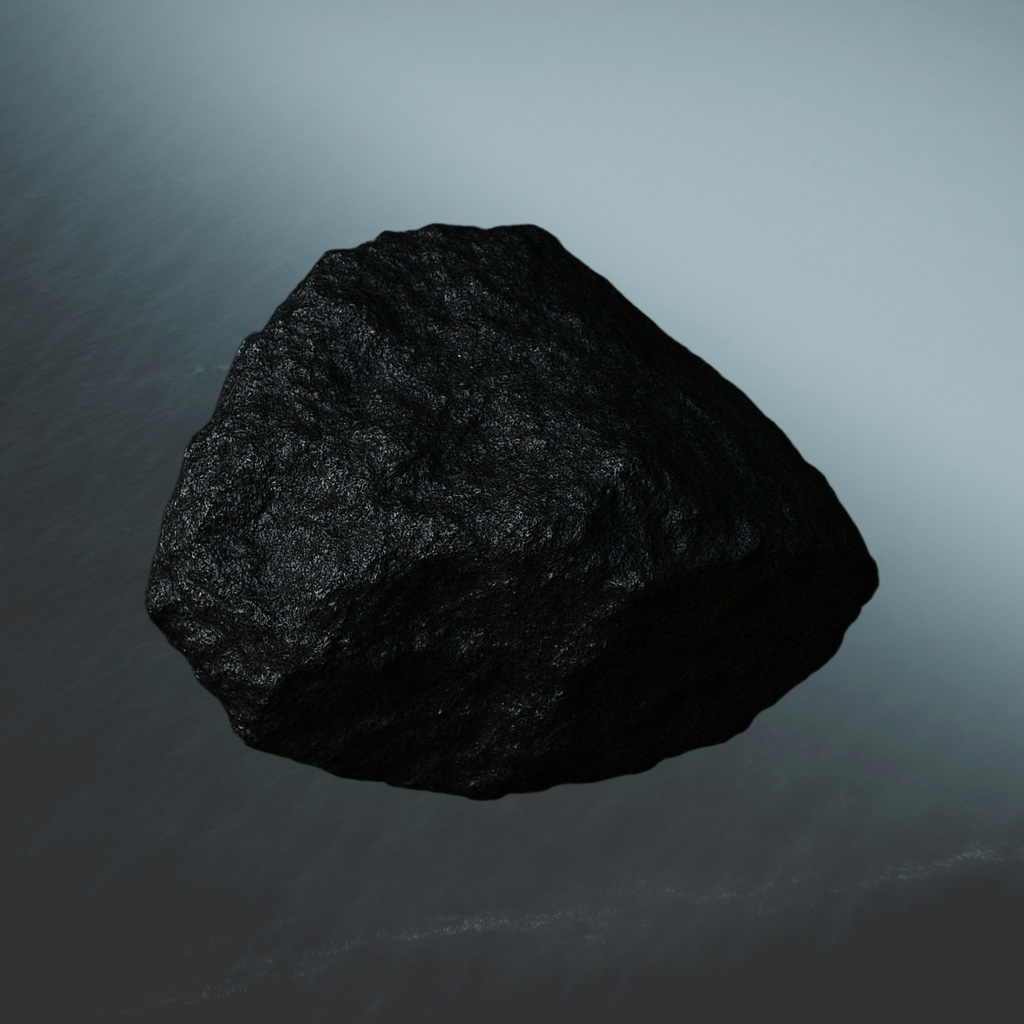
Alberta's bitumen — a rich, carbon-heavy component of heavy oil — contains asphaltenes. These are extracted using heat and chemical processes, isolating the carbon-rich material needed for fibre production.

Spinning process
2

Spinning

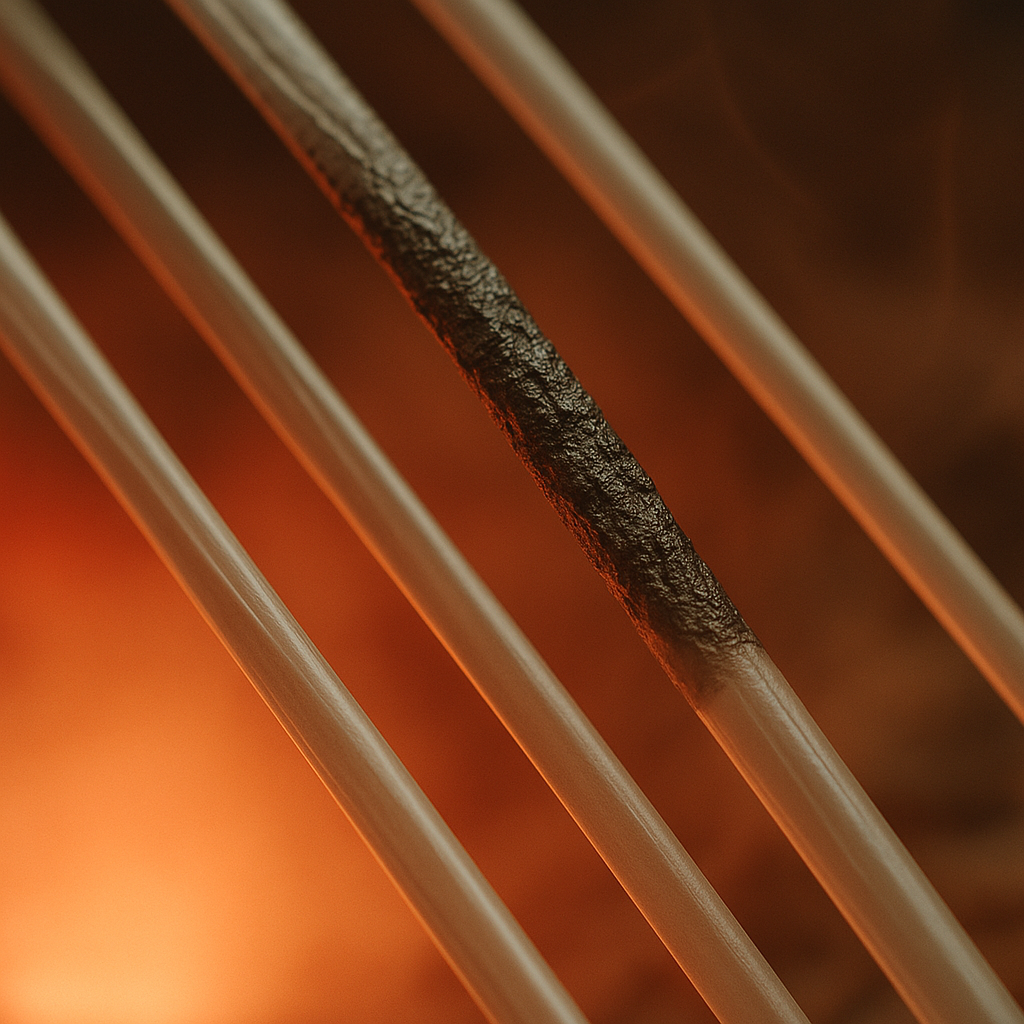
Through melt spinning, the extracted asphaltenes are heated and extruded into long, continuous fibres. This transformation marks the beginning of a new carbon fibre — one that's engineered for strength and versatility.

Stabilization process
3

Stabilization

Oxygen is introduced to the fibres, enhancing their structural integrity and preparing them for the final stage. This step ensures the fibres can withstand the intense conditions of carbonization.

Carbonization process
4

Carbonization

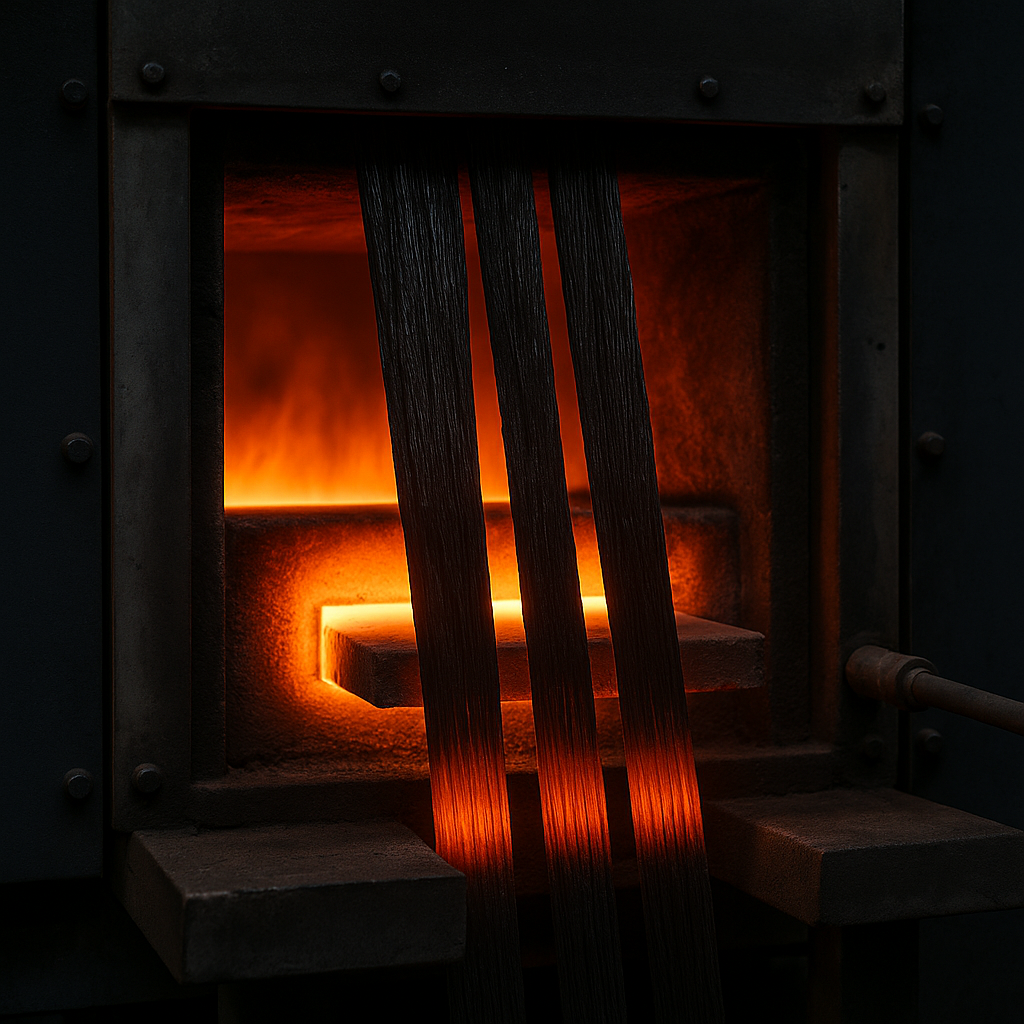
The stabilized fibres are heated to temperatures approaching 3000°C. This process converts them into pure carbon fibre — a material prized across industries for its unmatched strength-to-weight ratio and durability.

Impact

Why it matters

Reimagining Resources. Repositioning Alberta.

Stronger and lighter than steel
1st Canada's first pre-commercial scale carbon fibre research facility
Resource Strategy

A Strategic Shift in Resource Use

By diverting bitumen from combustion to high-value, non-combustion applications, Alberta is reducing emissions and increasing the economic return on each barrel.

Climate Impact

Lower Emissions, Higher Impact

Producing carbon fibre from bitumen generates significantly fewer greenhouse gases compared to traditional feedstocks.

Material Advantage

Global-Grade Material, Made in Alberta

Carbon fibre is up to five times stronger and five times lighter than steel. It's essential to industries that drive modern economies — from aerospace and defence to automotive to renewable energy and medical technologies.

Global Leadership

Canada's First Facility

Located in Edmonton, this is the country’s first pre-commercial scale, industry accessible carbon fibre research facility. It positions Alberta as a leader in advanced materials and clean technology.

At the intersection of innovation and industry, Alberta is home to Canada's first pre-commercial-scale, industry-accessible carbon fibre production facility. This isn't just a new chapter for materials science — it's a shift in how we think about our resources.

Made in Alberta. Built for the world.

Carbon fibre is the material of the future, and Alberta is leading the way in how it's made. With the launch of Canada’s first pre-commercial scale, industry-accessible carbon fibre research facility in Edmonton, Alberta, the province is transforming its bitumen into advanced materials.

Carbon fibre from bitumen isn't just about innovation. It's about redefining the role of bitumen in a low-carbon economy. This facility is turning a familiar resource into a high-performance advanced material that could transform industries, positioning Alberta at the centre of the low-carbon economy.
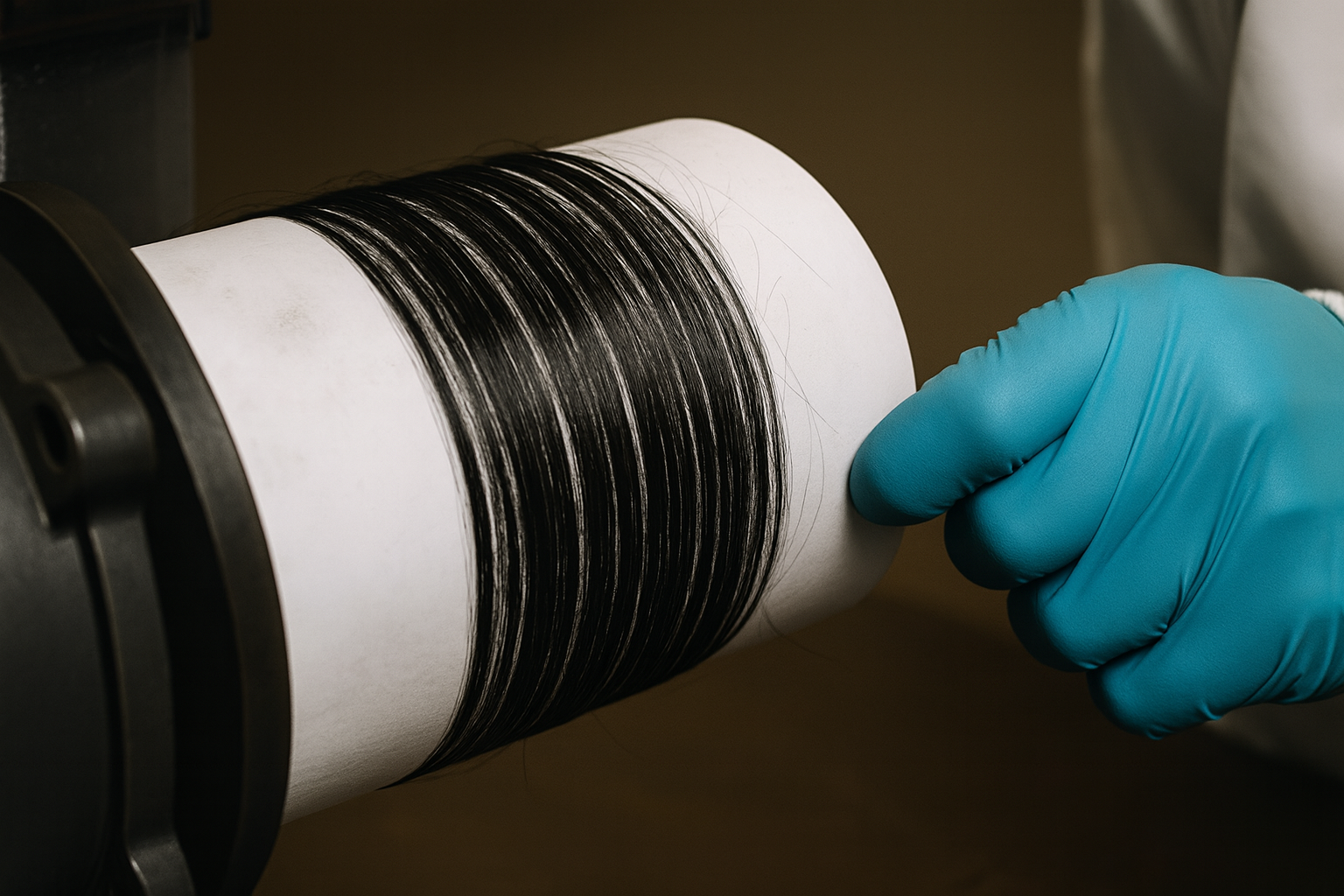
Alberta facility

Ready to Shape the Future?

Join us in transforming Alberta's resources into the materials of tomorrow.